
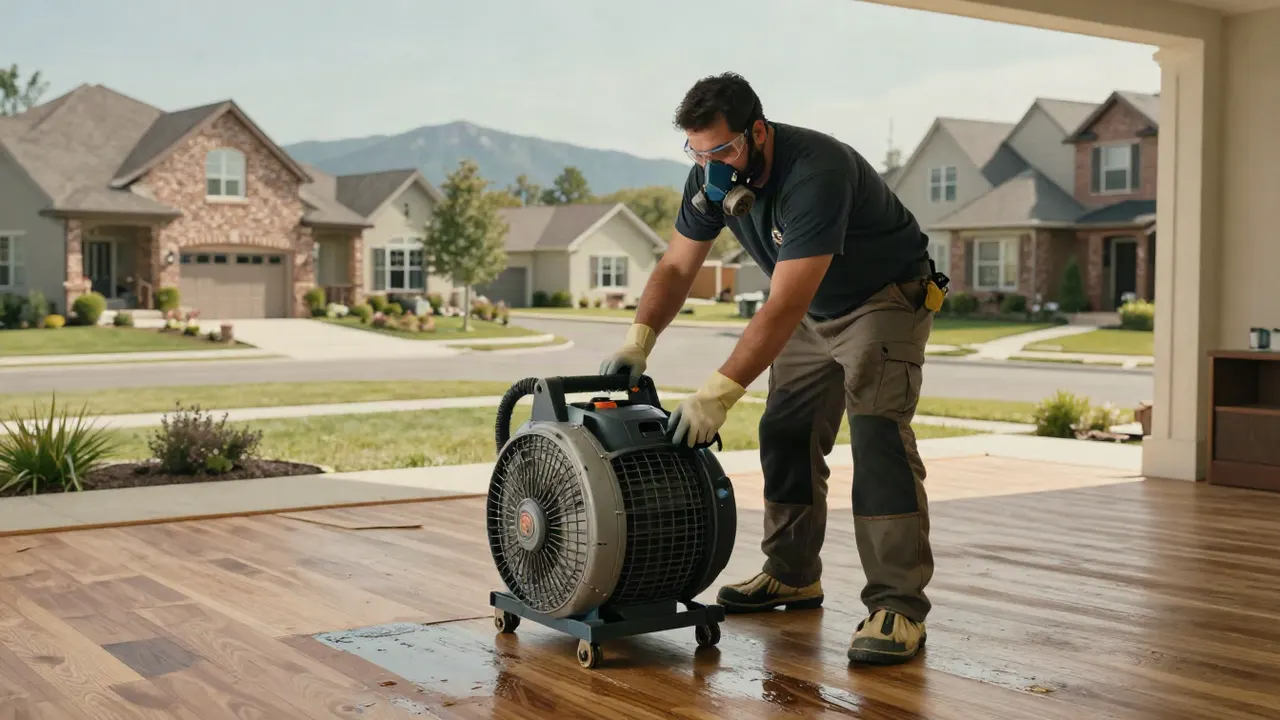
Moisture Mapping and Documentation
Thermal imaging, moisture meters, and hygrometer readings map every wet zone before equipment goes down. You get a written scope and daily logs, which is what your insurance adjuster needs to process the claim.
Every structural drying job includes the core scope below. If your job needs something outside it, like reconstruction or mold remediation, we scope and price that separately so there are no surprises.
Thermal imaging, moisture meters, and hygrometer readings map every wet zone before equipment goes down. You get a written scope and daily logs, which is what your insurance adjuster needs to process the claim.
Truck-mounted and portable extractors pull standing water from carpet, hard floors, and subfloor. Extraction is included on every job and typically takes 1 to 3 hours depending on volume.
We set Dri-Eaz and Phoenix Restoration Equipment sized to the affected square footage. Equipment stays on-site and running 24/7 until materials hit dry standard, with daily monitoring visits included.
Affected framing and cavities get an antimicrobial solution to prevent mold growth during the drying window. This is standard on every water job, not an add-on.
We compare final readings against a dry reference sample and give you a written report. Equipment doesn't come out until the numbers say dry, and you get the documentation to prove it.
Structural drying Littleton CO is the controlled removal of moisture from building materials that have absorbed water but can still be saved. It is not the same as mopping up a puddle. We use truck-mounted water extractors and portable extraction units to pull standing water, then set air movers and dehumidifiers to evaporate what's trapped inside drywall, baseboard, subfloor, and insulation. A moisture meter and thermal imaging camera tell us exactly where the water hides. We track readings daily and don't pull equipment until materials hit dry standard.
Most Littleton calls come from the same handful of failures: a burst pipe behind a kitchen wall, a slab leak under a basement floor, a sewage backup in a finished basement, or a roof leak that soaked ceiling drywall overnight. Winter freezes crack supply lines; spring storms push water through foundation seepage. If you search structural drying Littleton CO near me after a small leak, act fast. Mold can start colonizing wet drywall in 24 to 48 hours, and a professional building drying service in Littleton, Colorado can often save materials a homeowner would otherwise tear out.
Five steps, from the first phone call to the final moisture reading. You'll know what's happening at every stage.
Schedule
Call or book online — a real human picks up and confirms a 2-hour arrival window.
Diagnose
Licensed tech inspects on-site, then walks you through the cause and your options.
Fix
The job is completed to code and done right the first time — no shortcuts, no surprises.
Guarantee
Every job backed by a written workmanship warranty — and we stand behind it.
Truck-Mounted Water Extractor
Pulls large volumes of standing water from carpet and hard floors fast, usually within the first 1 to 3 hours on-site.
Portable Extraction Unit
Reaches tight spaces like closets, under cabinets, and stairwells where the truck mount can't go.
Air Movers (Dri-Eaz, Phoenix)
Push high-velocity air across wet surfaces to accelerate evaporation from drywall, framing, and subfloor.
Refrigerant and Desiccant Dehumidifiers
Remove moisture from the air so it doesn't resettle in materials. Desiccant units handle cool basements and dense materials better.
Thermal Imaging Camera and Moisture Meter
Find water you can't see and track drying progress with hard numbers instead of guesswork.
Bore Scope and Hygrometer
Inspect inside wall cavities and read ambient humidity to confirm the drying chamber is working.
HEPA Vacuum and Ozone Generator
HEPA vacuum for contaminated debris and dust; ozone for odor control after sewage or long-standing water.
IICRC S500 Standard
The industry standard for water damage restoration. It sets drying goals, equipment calculations, and documentation requirements. We follow it on every job, which is why our moisture logs hold up with insurance adjusters.
Containment with Polyethylene Sheeting
We isolate the drying chamber with polyethylene sheeting so equipment works on the wet zone instead of the whole building. This speeds drying and keeps dust and debris out of clean areas.
Antimicrobial Treatment
Fiberlock antimicrobial solution applied to affected framing and cavities during drying to prevent mold growth. Standard on every water job, not an upsell.
Daily Moisture Logging
Every visit includes moisture meter readings at fixed points, logged and compared day over day. Equipment placement adjusts based on the numbers, and the final report shows the drying curve.
01
What we do: We extract from hard floors and subfloor, check the wall cavities with a bore scope, and set drying equipment sized to the kitchen and adjacent rooms. Daily monitoring confirms the subfloor dries before it warps.
→ Most kitchen floods dry in 3 to 4 days with no cabinet or floor replacement.
02
What we do: We extract standing water, apply antimicrobial to framing, and run commercial-grade dehumidifiers to pull moisture out of the shared wall assemblies. Polyethylene sheeting isolates the work zone from neighboring units.
→ Condo is dry in 4 to 6 days, with documentation for the HOA and insurance.
03
What we do: We map the wet zone with thermal imaging, extract from carpet and pad, and run desiccant dehumidifiers to dry the concrete and framing. We also identify the seepage path so you can address it.
→ Basement dries in 3 to 5 days, and you know where the water came in.
04
What we do: We mobilize commercial structural drying equipment, isolate affected zones with polyethylene sheeting, and schedule monitoring around business hours so operations continue.
→ Drying completes in 5 to 7 days with minimal business interruption.
Littleton's climate and housing stock shape how we dry. Winter freezes crack supply lines and split hose bibs, and spring snowmelt pushes water through foundation seepage in older homes. Summer storms send water through roof leaks and window wells. The housing stock matters too: 1950s ranches near Downtown Littleton often have slab-on-grade floors and original hardwood, which dry slower than modern engineered lumber. Newer builds out toward ZIP 80128 use OSB and engineered joists that can delaminate if they stay wet. We size equipment and set drying goals based on what the structure is actually made of. If you're searching for structural drying after water damage near Downtown Littleton, we know the building stock and we know what it takes to dry it. Arapahoe County code and insurance expectations are part of every scope we write.
Downtown Littleton
Older homes with original hardwood and plaster walls dry slower than modern drywall. We extend drying timelines and monitor plaster separately.
Historic Downtown Littleton
Pre-1978 homes require EPA Lead-Safe practices when we open walls. We plan for that before equipment goes down.
Littleton 80120
Mix of 1960s ranches and newer infill. Slab-on-grade floors and finished basements are common; both need moisture mapping before drying.
Littleton 80128
Newer construction with engineered lumber and OSB. These materials wick water fast and need aggressive drying to avoid delamination.
Winter freeze events cracking supply lines
Burst-pipe calls spike December through February. We keep extraction and drying equipment ready for same-day response.
Spring snowmelt and foundation seepage
Water enters basements through foundation walls and window wells. Desiccant dehumidifiers handle the cool, damp conditions better than refrigerant units.
Summer monsoon storms and roof leaks
Fast, heavy rain finds roof and window failures. Ceiling cavities and insulation need extraction and directed drying before mold sets in.
Aging plumbing in pre-1980 homes
Galvanized and polybutylene lines fail more often. We scope the source and dry the affected zone, not just the visible water.
These are the calls we get most often in Littleton. Each one gets worse the longer it sits, and each one is fixable with fast, metered drying.
Problem
Drywall softens, baseboard swells, and mold can start within 48 hours. Without extraction and drying, you're looking at tear-out and reconstruction.
Our Fix
We extract standing water, open wall cavities where needed, set air movers and dehumidifiers, and monitor daily until framing and drywall read dry standard. Most burst-pipe jobs are saved without full tear-out.
Problem
Water wicks up through concrete and saturates carpet, pad, and baseboards. It can run for weeks before you notice, and mold grows under the carpet.
Our Fix
We use thermal imaging to map the wet zone, extract from carpet and pad, apply antimicrobial, and run desiccant dehumidifiers to pull moisture out of the slab and framing. Daily readings confirm progress.
Problem
Category 3 water carries bacteria and requires more than drying. Porous materials often have to come out, and the space needs antimicrobial treatment before drying can start.
Our Fix
We remove contaminated porous materials, HEPA vacuum and apply antimicrobial solution, then run structural drying on the salvageable framing and subfloor. Documentation supports the insurance claim for both removal and drying.
Problem
Wet insulation loses R-value and holds moisture against framing. Ceiling drywall sags and can collapse if left wet.
Our Fix
We extract, remove saturated insulation where needed, and dry the ceiling cavity with directed air movers. Thermal imaging confirms the cavity is dry before we close it up.
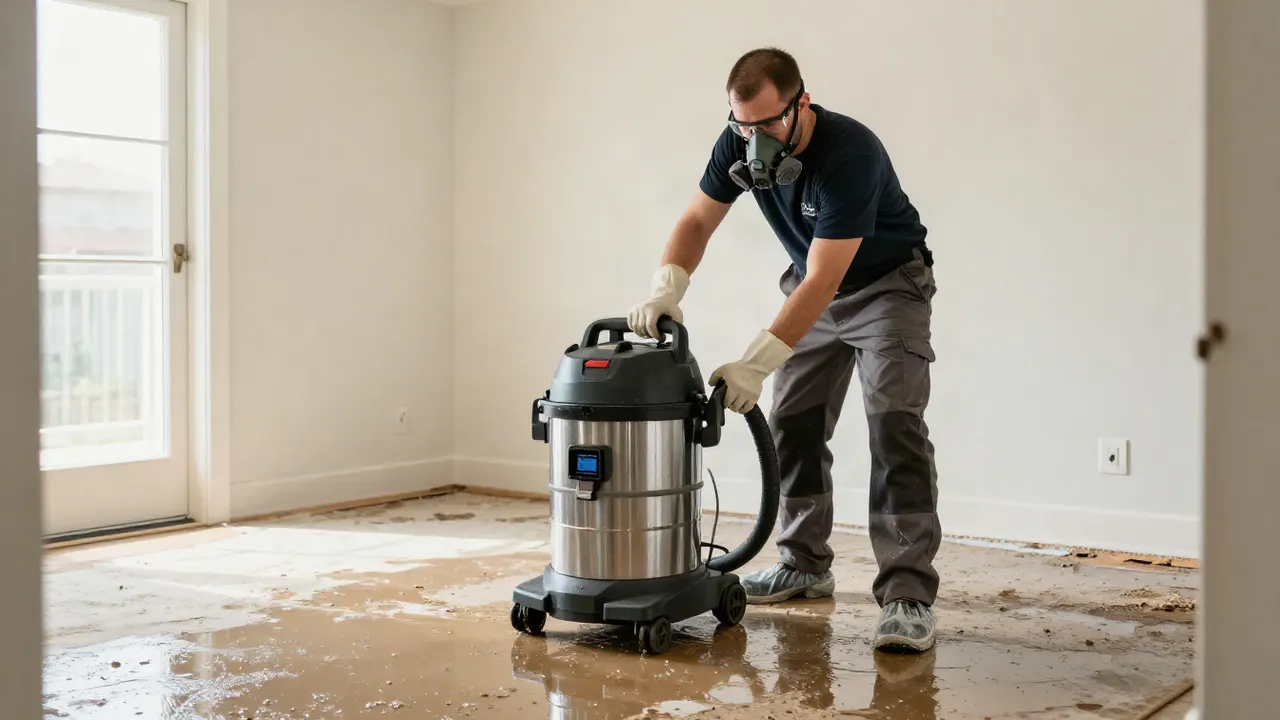
A box fan and an open window won't dry a wall cavity. Here's what proper equipment and daily monitoring actually buy you.
Save Materials, Save Money
Drywall, hardwood, and subfloor that stay wet past 48 hours usually get torn out. Metered structural drying Littleton keeps salvageable materials in place, which cuts rebuild costs and shortens the whole job. We document moisture readings before and after so your insurance adjuster sees exactly what was saved.
Stop Mold Before It Starts
Mold needs moisture and 24 to 48 hours. We apply an antimicrobial solution to affected framing and cavities, then dry fast enough that mold never gets a foothold. If growth is already present, our IICRC AMRT-trained techs handle remediation scope alongside the drying plan.
Insurance-Ready Documentation
We log moisture readings, daily equipment placement, and drying progress in Xactimate-compatible format. That means your claim moves faster and you're not arguing about what was wet. A structural drying company Littleton CO that documents properly saves you weeks of back-and-forth with the adjuster.
Commercial Uptime Protected
For commercial structural drying Littleton, every day closed is revenue lost. We schedule drying around your operating hours, isolate work zones with polyethylene sheeting, and use desiccant and refrigerant dehumidifiers sized to the square footage. Restaurants, offices, and retail spaces get back to business while drying runs.
Google ★★★★★4.9
Called at 6 a.m. after a pipe burst and they had a tech out by 8. Extracted water, set equipment, and came back every day for five days. Final moisture report was detailed enough that our adjuster approved the claim without questions. Drywall saved.
Yelp ★★★★★4.8
Sewage backup in our finished basement. They handled the removal, antimicrobial, and drying over six days. Isolated the work zone so we could still use the upstairs. Straight pricing, no surprise add-ons. Would call again.
BBB A
Commercial job at our restaurant after a roof leak. On-site Saturday morning, dried the ceiling cavity over the weekend, reopened Monday. Professional crew, clean documentation, and they worked around our schedule instead of shutting us down.
Drying a structure is a science, not a guess. Our technicians hold IICRC WRT (Water Restoration Technician) and IICRC ASD (Applied Structural Drying) certifications, and our team includes AMRT-trained techs for mold-related scopes. We follow the IICRC S500 standard for water damage restoration, which sets the drying goals, equipment calculations, and documentation requirements we work to every day. Since 2024 we've built our Littleton operation around daily monitoring and honest reporting, and we carry OSHA 10 and EPA Lead-Safe credentials for work in older homes. Colorado contractor license on file.
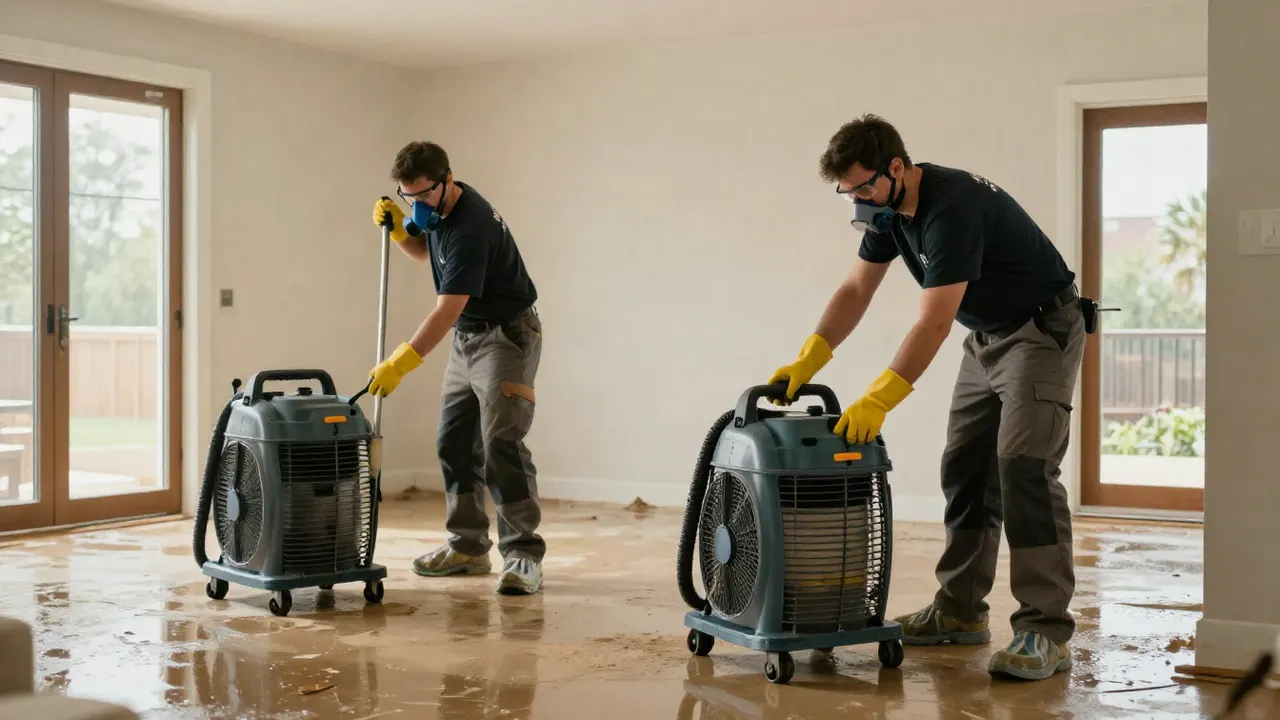
Real experiences from customers who chose our Structural Drying services.
“A supply line burst behind our kitchen wall at 2 a.m. and soaked the subfloor. The crew was out by 7 a.m., pulled the water, and set air movers and a dehumidifier. They came back every single day for five days and logged readings. Our insurance adjuster said the documentation was the cleanest he'd seen. Drywall was saved, no mold, no tear-out.”
Mark R.
Homeowner, Downtown Littleton
“We had a sewage backup in a finished basement of one of our rentals. They handled the extraction, applied antimicrobial, and ran structural drying for six days. The tenant stayed in the unit because they isolated the work zone with plastic sheeting. Final moisture report was thorough. I've used them twice since for smaller leaks.”
Sandra K.
Property Manager, Historic Downtown Littleton
“A roof leak soaked ceiling tiles and insulation over our dining room on a Friday night. They were on-site Saturday morning, dried the ceiling cavity over the weekend, and we opened Monday. Commercial structural drying without shutting us down for a week is exactly what we needed. Straight pricing, no surprise add-ons.”
Dave T.
Restaurant Owner, Littleton 80120
Real answers to the questions we hear most often from local homeowners and property managers.
Before structural drying can start, standing water has to come out. Our truck-mounted extractors pull water from carpet, hard floors, and subfloor fast, usually within 1 to 3 hours of arrival. This is the first step on every water damage job in Littleton.
View Emergency Water ExtractionWater removal covers the extraction and disposal of standing water, including Category 2 and Category 3 (sewage) water that requires special handling. We use HEPA vacuums and antimicrobial treatment where needed, then hand off to structural drying once the bulk water is gone.
View Water RemovalDehumidification is the other half of structural drying. Air movers evaporate moisture; dehumidifiers remove it from the air so it doesn't resettle in your walls. We size refrigerant or desiccant units to the cubic footage of the affected space and monitor humidity daily.
View DehumidificationA proper inspection finds water you can't see. We use thermal imaging cameras, moisture meters, hygrometers, and bore scopes to map every wet zone before drying begins. This inspection is what makes the drying plan accurate and the insurance documentation defensible.
View Water Damage InspectionIf you have water where it should not be, call us. Our line is answered 24/7, and most Littleton addresses see a crew within 60 to 90 minutes. We serve Downtown Littleton, Historic Downtown Littleton and the surrounding ZIPs, and we give you a written scope before work starts.
Phone
112233445Address
6900 S Potomac St #200, Centennial, CO 80112, Littleton, Colorado
Hours
Mon–Fri: 7AM – 7PM
Sat: 8AM – 4PM
Sun: Emergency Only
24/7 Emergency Available