
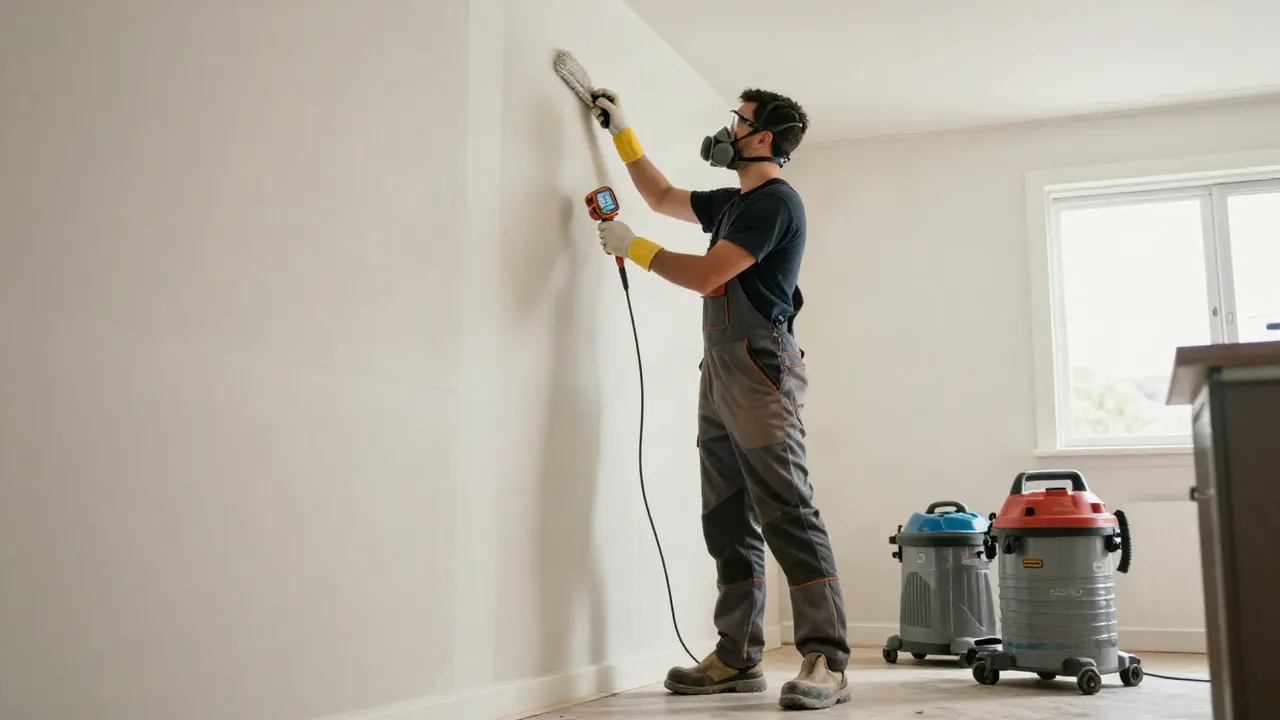
Full Moisture Mapping
Meter readings at the baseboard, mid-wall, and ceiling line in every affected room, logged and photographed. This is the record that tells you and your adjuster exactly how far the moisture spread and where the dry line sits.
A standard water damage inspection covers the diagnostic work: finding moisture, confirming the source, and documenting the scope. Drying and repairs are quoted separately once the inspection tells us what's actually wet, so you're never paying for equipment you don't need.
Meter readings at the baseboard, mid-wall, and ceiling line in every affected room, logged and photographed. This is the record that tells you and your adjuster exactly how far the moisture spread and where the dry line sits.
A thermal imaging camera scan of walls, ceilings, and floors to find temperature differences that indicate trapped moisture behind intact surfaces. It's how we find leaks without cutting drywall open to look.
We trace moisture back to the burst pipe, slab leak, roof leak, appliance failure, or foundation seepage causing it, and tell you whether it's active. If it's active, we isolate it before any drying work begins.
A same-day written report with moisture readings, thermal images, the confirmed source, and an Xactimate-ready scope. It's formatted for insurance claims and includes the affected square footage and recommended drying equipment.
If drying is needed, the report includes the equipment count and a quote for extraction, structural drying, and dehumidification. You decide whether to schedule the work with us, and the inspection findings stand on their own either way.
A water damage inspection Littleton CO is a diagnostic service that locates moisture, traces it to its source, and measures how far it has spread before any drying or repairs begin. We start at the visible damage and work outward, using a moisture meter on drywall, baseboard, and subfloor, then a thermal imaging camera to spot temperature differences behind intact surfaces. A bore scope goes into wall cavities when the readings don't match what we can see. Every inspection ends with a moisture map and a written scope you can hand to your insurance adjuster.
Littleton's building stock makes this work specific. Homes near Downtown Littleton and Historic Downtown Littleton sit on older plumbing and finished basements, where a slab leak or foundation seepage can soak a subfloor for weeks before it shows. Each spring, snowmelt and heavy rain push water against foundation walls; each winter, a burst pipe behind a kitchen wall does the same damage in hours. If you've been searching for a water damage inspection Littleton CO near me, that timing is usually the reason.
From the first phone call to the written report, here's what a water damage inspection with our team looks like. Most inspections take 60 to 90 minutes on site, and you get findings the same day.
Schedule
Call or book online — a real human picks up and confirms a 2-hour arrival window.
Diagnose
Licensed tech inspects on-site, then walks you through the cause and your options.
Fix
The job is completed to code and done right the first time — no shortcuts, no surprises.
Guarantee
Every job backed by a written workmanship warranty — and we stand behind it.
Thermal Imaging Camera
Scans walls, ceilings, and floors for temperature differences that indicate trapped moisture behind intact surfaces. It's how we find leaks without cutting drywall open to look.
Pin-Type Moisture Meter
Takes direct readings at the baseboard, mid-wall, and ceiling line to measure moisture content in drywall, wood, and subfloor. Readings are logged room by room for the report.
Bore Scope
Confirms what's inside a wall cavity when meter and thermal readings are ambiguous. It shows the condition of insulation, framing, and the leak source itself.
Hygrometer
Measures relative humidity and temperature in the affected area to establish the drying baseline. Without it, drying targets are guesswork.
Dri-Eaz and Phoenix Equipment
The brands we trust for extraction and drying gear. Meter readings and equipment performance have to hold up in an insurance file, so we use gear adjusters recognize.
IICRC S500 Standard
The industry standard for water damage assessment and drying. We follow it for moisture mapping, category of water classification, and drying scope, which keeps the report defensible for insurance.
Room-by-Room Moisture Mapping
Readings logged at the baseboard, mid-wall, and ceiling line in every affected room, with photos. The map shows the dry line and the affected square footage, so the scope is targeted instead of whole-room.
Source-First Diagnosis
We confirm the source before recommending drying. Drying a wet cavity without stopping the leak wastes equipment and lets the damage return. If the source is active, we isolate it first.
Xactimate-Ready Reporting
Reports are formatted for Xactimate, the estimating platform most carriers use. That means line-item scope, affected square footage, and photo documentation in the format adjusters expect.
01
What we do: We inspect the cavity with a bore scope and thermal camera, confirm whether the leak is still active, and map any moisture that spread into framing or insulation. The report documents the source and scope for your claim.
→ You know whether drying is needed before mold has a chance to start, and your adjuster gets a documented scope the same day.
02
What we do: We map moisture along the wall and floor, confirm whether the source is foundation seepage or a plumbing leak, and scope drying targeted to the affected area. We also flag exterior grading issues that will repeat next spring.
→ Targeted drying instead of full carpet replacement, and a clear answer on whether the foundation needs sealing.
03
What we do: We inspect the stained area with a moisture meter and thermal camera to confirm whether the moisture is active or historical, and document the findings in a written report you can use in negotiations.
→ You know whether you're buying an active leak or old damage, and the report gives you leverage either way.
04
What we do: We inspect the wall cavity, confirm the moisture path, and scope drying before the soft spot spreads. The report documents the storm damage for your insurance claim.
→ Drying starts before the soft spot becomes a framing repair, and the claim is documented from day one.
Littleton's climate and housing stock shape how water damage shows up. Spring snowmelt and heavy rain push water against foundation walls, and older homes near Historic Downtown Littleton often have finished basements where seepage soaks subfloor and insulation before it shows. Winter cold snaps burst pipes in exterior walls, and summer hail storms drive rain through window seals and roof penetrations. We inspect for all of it: slab leaks under mid-century ranches, foundation seepage in Arapahoe County neighborhoods, and roof leaks that travel along framing before they stain a ceiling. Our reports are formatted for the carriers that write most Littleton policies, and we document moisture readings by room so your claim moves without back-and-forth. If you need a professional water damage assessment in Littleton, Colorado, we schedule same-day for active leaks and next-day for suspected moisture.
Historic Downtown Littleton
Older bungalows and Victorians with finished basements and original plumbing. Slab leaks and foundation seepage are common, so we inspect the foundation wall and floor together.
Downtown Littleton
A mix of older homes and newer infill. We see appliance failures and supply-line leaks in renovated kitchens and baths, often behind new tile.
Littleton 80120
Mid-century ranches with slab-on-grade construction. Slab leaks read differently here, and thermal imaging is the fastest way to confirm one without breaking concrete.
Littleton 80122
Family homes with finished basements. Spring snowmelt seepage along the foundation wall is the most common call we get in this ZIP.
Spring snowmelt against foundation walls
Seepage soaks subfloor and insulation along the wall, often without visible staining. We map moisture along the foundation line and confirm whether the source is exterior grading or a plumbing leak.
Winter cold snaps and burst pipes
Exterior-wall pipes freeze and burst, releasing water inside the cavity. Thermal imaging finds the moisture path before it stains drywall, and we isolate the source before drying.
Summer hail and wind-driven rain
Roof penetrations and window seals fail under hail, and water travels along framing before it shows. We trace the moisture path back to the entry point and document it for the storm claim.
Most water damage calls start with a symptom, not a source. These are the problems we diagnose most often in Littleton, and what happens when they go unmeasured.
Problem
Foundation seepage and slab leaks soak subfloor and insulation for weeks before staining shows. By then, mold has a foothold and the repair scope has grown.
Our Fix
We map moisture along the foundation wall and floor, confirm whether the source is seepage or a slab leak, and scope drying before mold sets in. A basement leak detection and inspection Littleton Colorado call at the first damp smell usually catches it early.
Problem
Roof leaks travel along framing before they stain, so the visible spot is rarely where the water entered. Drying the wrong area leaves wet framing behind.
Our Fix
Thermal imaging traces the moisture path back to the entry point, and the report documents it for your storm claim. We confirm whether the leak is active before recommending drying or a roofer.
Problem
A musty odor usually means moisture is trapped in a cavity or under flooring. Ignoring it lets mold growth spread through the HVAC system and into adjacent rooms.
Our Fix
We use a bore scope and moisture meter to find the trapped moisture, confirm the source, and scope drying plus antimicrobial treatment if needed. The report tells you whether the smell is active moisture or old damage.
Problem
Appliance failures release water slowly, soaking the pan, subfloor, and adjacent drywall. The damage often exceeds the appliance's replacement cost.
Our Fix
We inspect the pan, supply lines, and surrounding framing, measure how far the moisture spread, and scope drying. If the subfloor is saturated, the report documents it for the insurance claim.
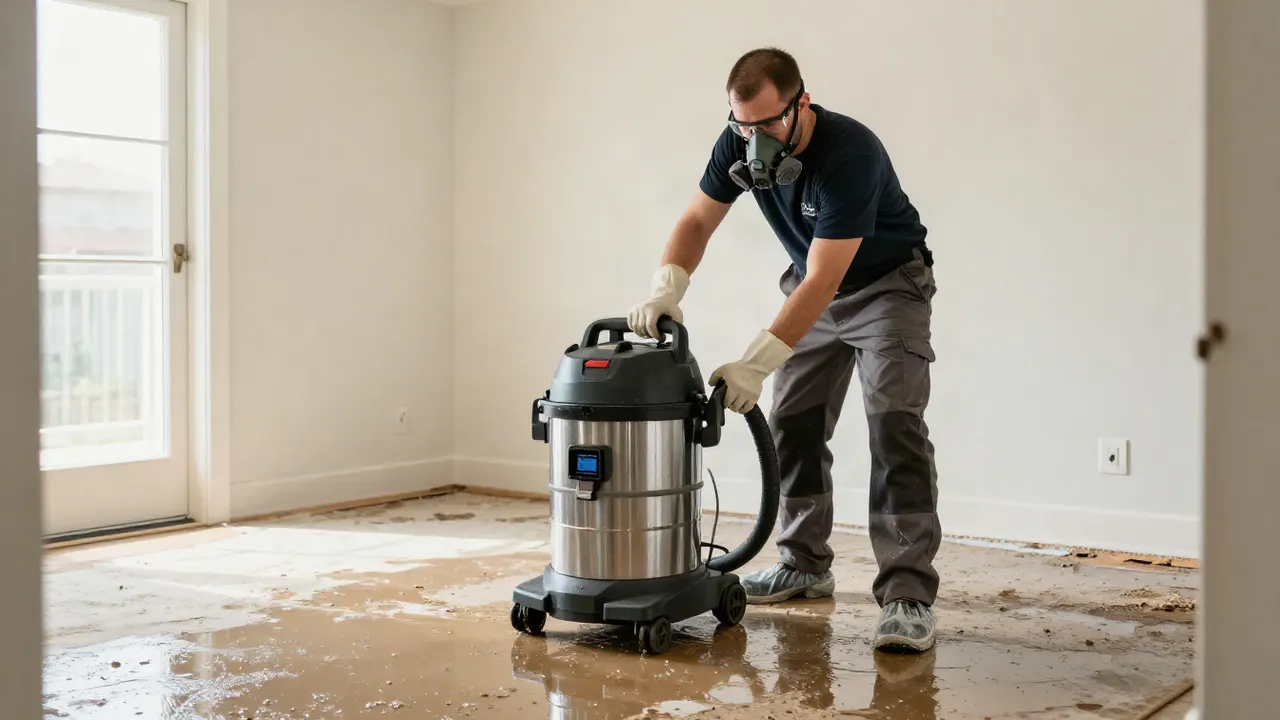
Guessing at water damage costs more than measuring it. A proper inspection tells you exactly where the moisture is, how much of the structure is affected, and what drying or repair actually requires, so you don't tear out drywall you didn't need to touch or leave a wet cavity to grow mold.
Find Hidden Moisture
Thermal imaging and pin-type meters read moisture inside wall cavities, under tile, and beneath subfloor where a visual check sees nothing. We've found active slab leaks under dry-looking carpet and saturated insulation behind freshly painted drywall. Catching it at this stage means drying instead of demolition.
Stop Mold Before It Starts
Mold can colonize a wet cavity in 24 to 48 hours. An inspection that maps moisture and confirms airflow tells us whether structural drying will close the job or whether an antimicrobial application is needed. Getting the assessment done early is the difference between a drying bill and a remediation bill.
Document for Insurance
Adjusters want moisture readings, photos, and a scope, not a description. Our inspection reports include meter readings by room, thermal images, and an Xactimate-ready scope so your claim moves without back-and-forth. That documentation is why so many Littleton homeowners call us before they call their carrier.
Know the Real Scope
A water damage assessment in Littleton separates the wet from the dry so you only pay for what's affected. We mark the dry line on the wall, count the affected square footage, and tell you what drying equipment will be needed. You get a number before anyone starts cutting.
Google ★★★★★4.9
They inspected our basement after spring snowmelt and found seepage along the foundation wall we didn't know was there. The report was detailed enough that our adjuster approved the claim without a second visit. Drying was done in four days.
Yelp ★★★★★4.8
Called about a ceiling stain after a hail storm. They came out the same day, thermal imaged the ceiling, and traced it back to a roof penetration. The written report included photos and readings, and the roof repair was covered.
BBB ★★★★★4.9
A pipe burst behind our kitchen wall and they were on site that evening. The inspection was thorough, the source was confirmed with a bore scope, and the drying scope was clear. No surprises on the bill.
Our technicians hold IICRC WRT (Water Restoration Technician) and IICRC ASD (Applied Structural Drying) certifications, and we follow the IICRC S500 standard for water damage assessment and drying. We've been inspecting and drying Littleton homes since 2024, and in that time we've worked everything from slab leaks under Historic Downtown Littleton bungalows to storm-driven roof leaks in Arapahoe County. We carry EPA Lead-Safe certification for pre-1978 homes, which matters in older Littleton neighborhoods, and every technician is OSHA 10 trained. We use Dri-Eaz and Phoenix Restoration Equipment meters and drying gear because the readings have to hold up in an insurance file.
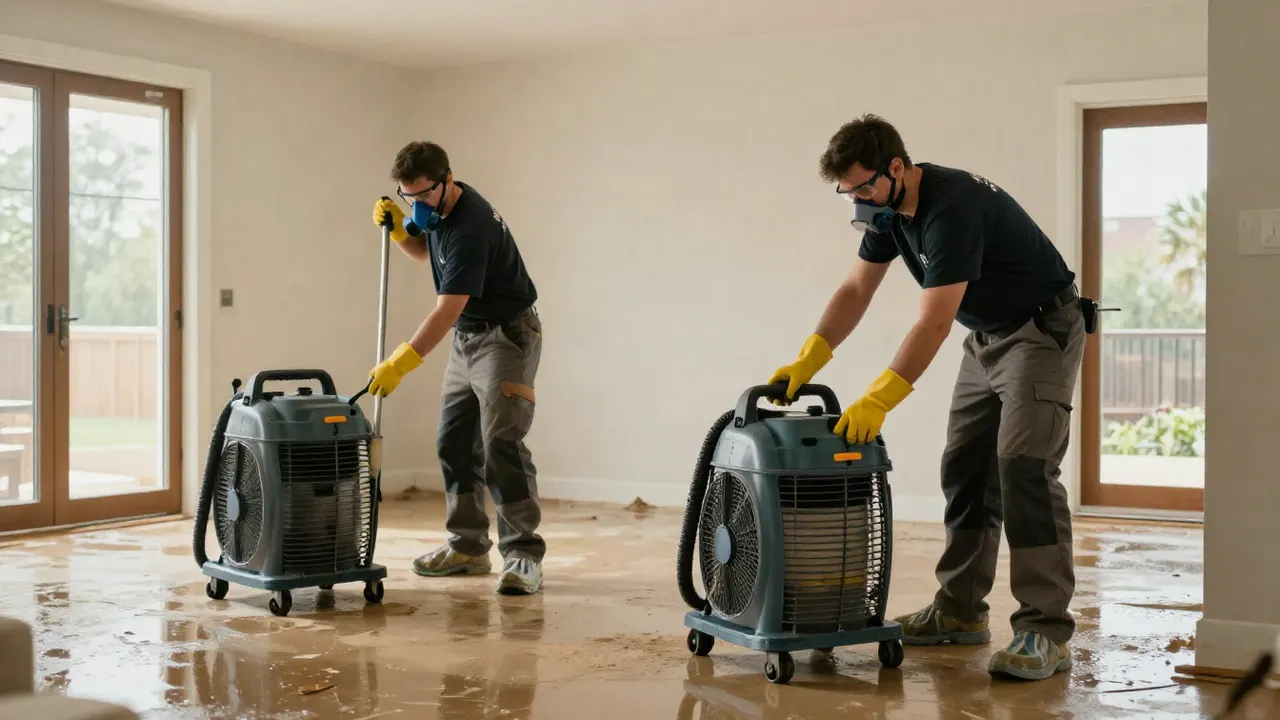
Real experiences from customers who chose our Water Damage Inspection services.
“We had a soft spot by the tub and no visible leak. The technician ran a moisture meter along the baseboard, then thermal imaged the wall and found an active supply-line leak behind the tile. He had the source confirmed in under an hour and a written report to us the same afternoon. Our insurance adjuster took the report without a single follow-up question.”
Megan R.
Homeowner, Historic Downtown Littleton
“After the spring snowmelt, our basement carpet felt damp but looked fine. They inspected the whole lower level, mapped moisture along the foundation wall, and confirmed foundation seepage rather than a pipe. The scope was clear about what needed drying and what didn't, which saved us from replacing carpet that was actually dry.”
Dave K.
Homeowner, Downtown Littleton
“A pipe burst behind the kitchen wall while we were at work. They came out the same evening, found the break with a bore scope, and documented everything for the claim. The report included meter readings by room and thermal images. We scheduled drying the next morning and the walls were back to dry readings in four days.”
Priya S.
Homeowner, Littleton 80120
Real answers to the questions we hear most often from local homeowners and property managers.
When the inspection confirms standing water, our truck-mounted water extractor pulls it out fast. We extract before we dry, because air movers can't dry a flooded floor. Most Littleton extraction calls are on site within 60 to 90 minutes of the inspection.
View Emergency Water ExtractionWater removal covers the saturated materials extraction can't reach: wet carpet pad, soaked insulation, and water-logged drywall. The inspection tells us exactly what has to come out, so removal stays targeted to the affected area instead of the whole room.
View Water RemovalOnce the source is confirmed and standing water is gone, structural drying brings the framing and subfloor back to normal moisture levels. We set air movers and dehumidifiers based on the inspection readings, and we monitor daily until the meter reads dry.
View Structural DryingDehumidification pulls moisture vapor out of the air so drying actually finishes. Without it, wet drywall releases moisture back into the room and the drying cycle stalls. We size Dri-Eaz and Phoenix dehumidifiers to the cubic footage the inspection measured.
View DehumidificationIf you have water where it should not be, call us. Our line is answered 24/7, and most Littleton addresses see a crew within 60 to 90 minutes. We serve Downtown Littleton, Historic Downtown Littleton and the surrounding ZIPs, and we give you a written scope before work starts.
Phone
112233445Address
6900 S Potomac St #200, Centennial, CO 80112, Littleton, Colorado
Hours
Mon–Fri: 7AM – 7PM
Sat: 8AM – 4PM
Sun: Emergency Only
24/7 Emergency Available