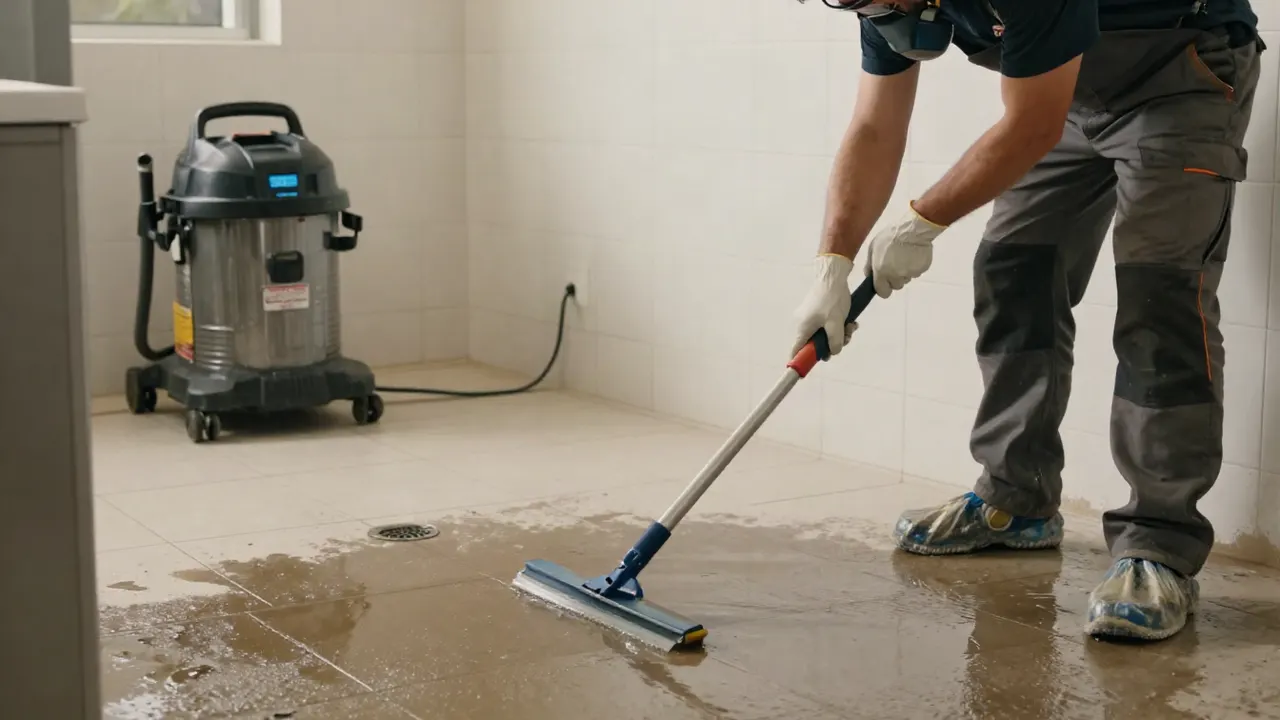
Emergency Inspection and Moisture Mapping
A technician maps the moisture with a thermal imaging camera, moisture meter, and hygrometer, then photographs the findings. This is the foundation of the drying plan and the insurance documentation.
Every water removal job starts with an inspection and ends with a documented dry standard. Here is what is covered in a standard scope, and what we handle as an add-on when the job calls for it.
A technician maps the moisture with a thermal imaging camera, moisture meter, and hygrometer, then photographs the findings. This is the foundation of the drying plan and the insurance documentation.
We pull bulk water with a truck-mounted water extractor and use portable extraction units for tight spaces. Carpet and pad are extracted in place when salvageable, and we tell you upfront if they are not.
Air movers and dehumidifiers are placed and sized to the space, with polyethylene sheeting to contain the drying chamber. We check readings daily and adjust equipment as the structure dries.
Affected surfaces get an antimicrobial solution to slow mold growth while the structure dries. For sewage backups, we follow Category 3 protocols and use HEPA vacuums and air scrubbers to protect air quality.
We take daily moisture meter and hygrometer readings, compare them to dry standard, and give you a final drying report with photos. That report is what your insurance adjuster needs to close the claim.
Water removal Littleton CO is the physical extraction and controlled drying of standing water and trapped moisture from a building, and it is the step that decides whether a small leak becomes a mold job. It is not a shop vac and a box fan. We map the moisture with thermal imaging cameras and hygrometers, pull the bulk water with a truck-mounted water extractor, then set air movers and dehumidifiers to dry the subfloor, drywall, and framing to a documented dry standard.
In Littleton, most calls come from the same handful of sources: a burst pipe behind a kitchen wall, a water heater that let go overnight, a slab leak that quietly soaked a hallway, or a sewage backup after heavy spring runoff. If you are searching for water removal Littleton CO near me at 2 a.m., you are not alone. We treat every call as urgent because standing water wicks into baseboard, insulation, and subfloor within hours.
From the first call to the final moisture reading, here is exactly what you can expect when our crew shows up at your door.
Schedule
Call or book online — a real human picks up and confirms a 2-hour arrival window.
Diagnose
Licensed tech inspects on-site, then walks you through the cause and your options.
Fix
The job is completed to code and done right the first time — no shortcuts, no surprises.
Guarantee
Every job backed by a written workmanship warranty — and we stand behind it.
Truck-mounted water extractor
Pulls hundreds of gallons of standing water fast from carpets, hard floors, and basements. This is the heavy-lifting tool on every job.
Portable extraction unit
Reaches tight spaces like closets, crawl spaces, and behind furniture where the truck cannot go. We use it alongside the truck-mounted unit.
Thermal imaging camera
Finds hidden moisture behind walls and under floors without cutting into the structure. It shows us where the water actually traveled.
Moisture meter and hygrometer
Measures moisture content in materials and humidity in the air. We use readings to set the drying plan and confirm dry standard before we pull equipment.
Air mover and dehumidifier
Dries the structure after extraction. We size the equipment to the space and check readings daily to confirm the drying chamber is working.
Bore scope
Lets us look inside wall cavities and under cabinets without demolition. It is how we confirm a cavity is dry before closing it up.
HEPA vacuum and air scrubber
Captures dust, spores, and debris during sewage or storm water cleanup. We run them alongside extraction and drying to protect air quality.
IICRC S500 standard
The industry standard for water damage restoration. We follow it for extraction, drying, and documentation, which is what insurance adjusters expect to see in a claim.
Category 3 water protocols
Sewage and storm water carry pathogens, so they need more than extraction. We use HEPA vacuums, air scrubbers, and antimicrobial solution, and we remove porous materials that cannot be saved.
Documented dry standard
We compare daily moisture meter and hygrometer readings to a dry standard for the material and the local climate. We do not pull equipment until the meter confirms the structure is dry.
Xactimate-compatible documentation
Photos, moisture readings, and line-item scopes are formatted to work with Xactimate, the software most insurance adjusters use. That makes your claim easier to process and harder to dispute.
01
What we do: We shut off the supply, extract the water with a truck-mounted unit, and set air movers and a dehumidifier to dry the subfloor and drywall. We check readings daily and document everything for insurance.
→ The floor and drywall dry to standard in three to four days, and the homeowner avoids replacing the subfloor.
02
What we do: We follow Category 3 protocols, remove unsalvageable carpet and pad, treat surfaces with antimicrobial solution, and dry the structure with HEPA-filtered air scrubbers running.
→ The unit is dry, treated, and ready to re-rent in about five days, with full documentation for the property owner.
03
What we do: We extract the water with portable units, set desiccant dehumidifiers, and check joists and subfloor with a moisture meter. We also recommend sealant and drainage fixes.
→ The crawl space dries to standard, joists are protected, and the homeowner has a plan to keep it dry next spring.
04
What we do: We extract the water, use a bore scope and thermal camera to find moisture inside the wall cavity, and dry the cavity with air movers before closing it up.
→ The wall cavity dries without demolition, and the family avoids a mold remediation job.
Littleton sits in Arapahoe County along the South Platte, and the local conditions shape how water damage happens here. Spring runoff and summer storms push water against foundations and into crawl spaces, while older homes near Historic Downtown Littleton often have galvanized supply lines and cast-iron drains that fail without warning. Newer builds out toward the foothills deal with slab leaks and appliance failures more often than foundation seepage. We size our equipment to the housing stock, not a one-size-fits-all checklist. If you are searching for flood water removal Littleton CO same day, we already know the ZIPs and the neighborhoods, and we bring the right tools for the job. We also follow Colorado contractor licensing and EPA Lead-Safe rules for pre-1978 homes, which matters in the older parts of town.
Historic Downtown Littleton
Older homes with galvanized supply lines and cast-iron drains. We see more burst pipes and slab leaks here, and we follow EPA Lead-Safe protocols for pre-1978 construction.
Downtown Littleton
A mix of older homes and small commercial buildings. Sewage backups and appliance failures are common calls, and we handle both with Category 3 protocols when needed.
80123 corridor
Newer builds with slab-on-grade construction. Slab leaks and water heater failures are the most common calls, and thermal imaging is the key tool for finding hidden moisture.
80128 foothills edge
Properties closer to the foothills see more storm runoff and foundation seepage. Crawl space extraction and desiccant dehumidification are common on these jobs.
Spring runoff and summer thunderstorms
Heavy rain pushes water against foundations and into crawl spaces. We see a spike in crawl space and basement calls from March through August, and we keep desiccant dehumidifiers ready for those jobs.
Older housing stock near the historic district
Galvanized supply lines and cast-iron drains fail more often, and pre-1978 homes require EPA Lead-Safe protocols. We plan for both before we start cutting or drying.
Slab-on-grade construction in newer neighborhoods
Slab leaks spread under the floor and are easy to miss. We use thermal imaging and moisture meters to map the spread before we extract and dry.
Most water damage starts small and gets expensive fast. Here are the problems we see most often in Littleton and how we handle them.
Problem
Water wicks into drywall, insulation, and baseboard within hours, and mold can start in 24 to 48 hours. A slow leak can soak a subfloor for weeks before you notice.
Our Fix
We shut off the source, extract the water, and use a bore scope and thermal camera to find hidden moisture. Then we dry the wall cavity and subfloor to a measured standard and document it for your insurance claim.
Problem
Sewage is Category 3 water, which means it carries bacteria and pathogens. It needs more than extraction, and the wrong cleanup can leave a health hazard behind.
Our Fix
We follow Category 3 protocols, use HEPA vacuums and air scrubbers, and treat affected surfaces with an antimicrobial solution. Porous materials that cannot be saved are removed and documented, and we dry the structure to standard.
Problem
A slab leak is easy to miss because the water spreads under the floor. By the time you see it, the subfloor and baseboard are often already wet and starting to warp.
Our Fix
We use thermal imaging and moisture meters to map the spread, extract the water, and dry the subfloor and framing. We also document the leak location so your plumber can fix the source before we close anything up.
Problem
Heavy spring runoff and summer storms push water against foundations and into crawl spaces. Standing water in a crawl space can rot joists and feed mold for months.
Our Fix
We extract standing water from crawl spaces with portable units, set desiccant dehumidifiers, and check joists and subfloor with a moisture meter. We also recommend sealant and drainage fixes so the next storm does not repeat the problem.
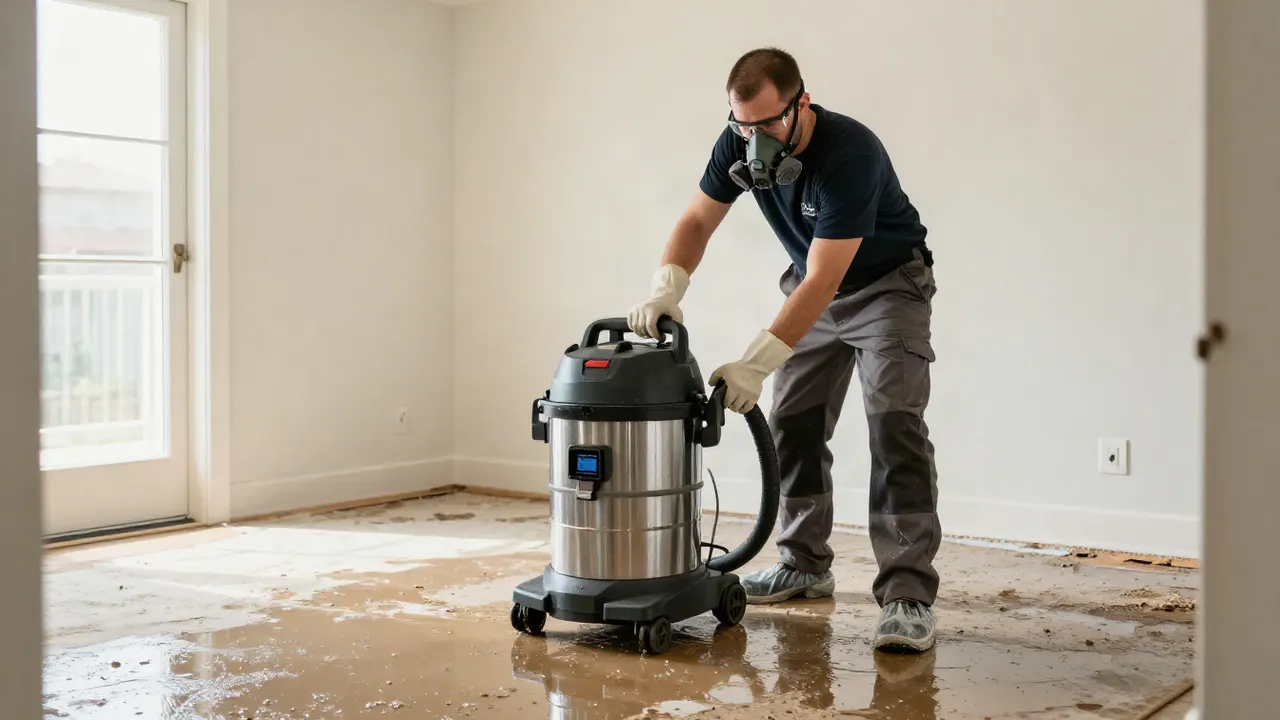
The longer water sits, the more it costs. Here is what a fast, professional water removal in Littleton, Colorado actually buys you.
Stops Mold in Its Tracks
Mold can begin colonizing wet drywall and framing in 24 to 48 hours. We extract standing water and start drying the same day, then treat affected surfaces with an antimicrobial solution so mold never gets a foothold. That is the difference between a drying job and a demolition job.
Saves Flooring and Subfloor
Hardwood, laminate, and carpet can often be saved if water is pulled fast. Our water extraction service Littleton crews use portable extraction units on carpet and pad and moisture meters to confirm the subfloor is drying, not just the surface. Catching it early saves thousands in replacement.
Cuts Insurance Headaches
We document everything with moisture readings, photos, and an Xactimate-compatible scope, so your adjuster sees exactly what happened and what it took to dry. Clean documentation is the difference between a smooth claim and a fight over the invoice.
Protects Structure and Air Quality
Trapped moisture warps door frames, delaminates subfloor, and feeds musty odors through the HVAC. We dry to a measured standard, not a guess, and use HEPA vacuums and air scrubbers to keep dust and spores out of the air while we work.
Google ★★★★★4.9
Called at midnight when a pipe burst and they had a crew at the house in about an hour. Extracted the water, set up drying equipment, and checked readings every day. The final report made our insurance claim easy. Highly recommend for any water removal in Littleton.
Yelp ★★★★★4.8
Our crawl space flooded after a storm and these guys handled it start to finish. They extracted the water, dried the joists, and gave us a plan to keep it from happening again. Fair price and no surprises on the invoice.
BBB ★★★★★4.9
Professional from the first phone call. They explained the process, gave us a clear price, and documented everything for our insurance. The basement was dry in four days and we have not had a mold issue since.
We have been serving Littleton since 2024, and in that time we have built our process around the standards that actually protect a building. Our technicians hold IICRC WRT (Water Restoration Technician) and IICRC ASD (Applied Structural Drying) credentials, and we follow the IICRC S500 standard for water damage restoration. We are a Colorado-licensed contractor, EPA Lead-Safe certified for work in older homes, and OSHA 10 trained on every crew. That training shows up in small things: knowing when a slab leak needs a bore scope, when a sewage backup needs Category 3 protocols, and when a wall cavity is dry enough to close back up.
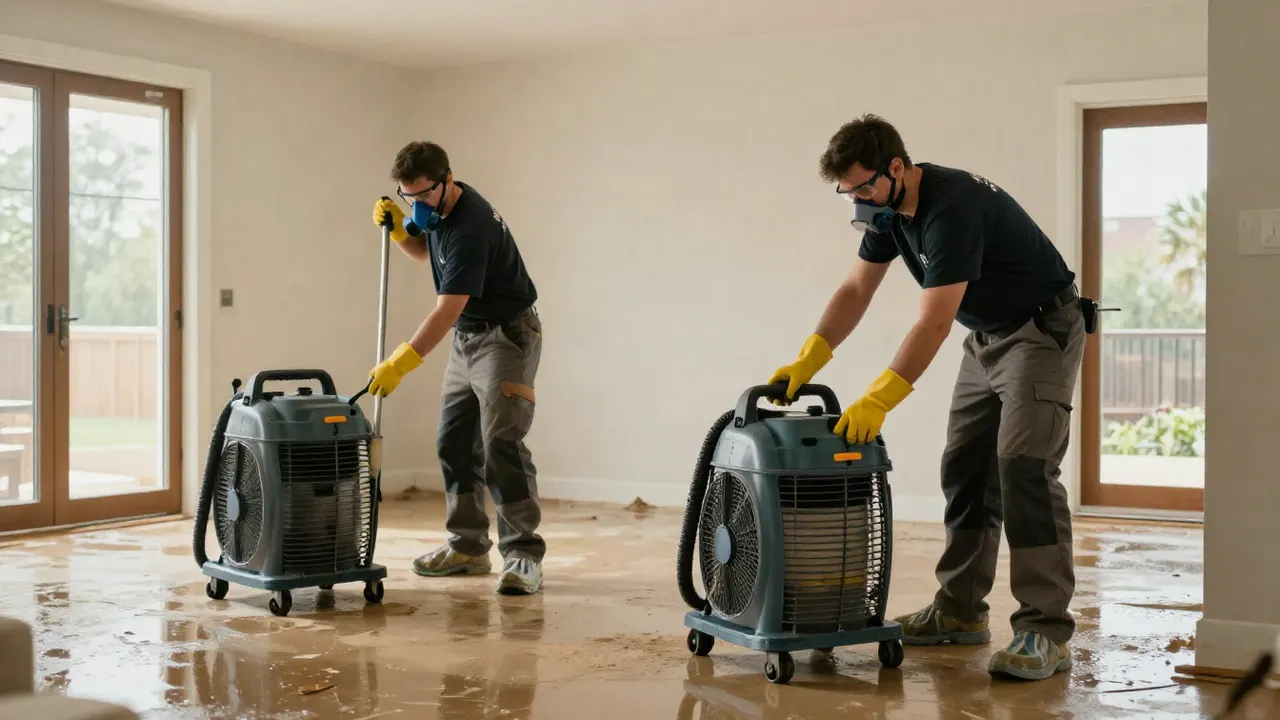
Real experiences from customers who chose our Water Removal services.
“A supply line let go under our kitchen sink at 11 p.m. and by midnight water was into the hallway. The crew was at our door in about 75 minutes, pulled the water with a truck-mounted unit, and had air movers running before 2 a.m. They checked moisture readings every day for four days and showed us the numbers. No mold, no warped floor.”
Mark R.
Homeowner, Historic Downtown Littleton
“Our basement flooded after a storm and we had about two inches of standing water. I called three companies and these guys were the only ones who answered on a Sunday. They extracted the water, set up dehumidifiers, and documented everything for our insurance. The claim went through without a single question.”
Dana K.
Homeowner, 80123
“We manage a small apartment building and had a sewage backup in a ground-floor unit. The crew handled it professionally, used the right Category 3 protocols, and treated the area with antimicrobial solution. They kept us updated daily and the unit was dry and ready to re-rent in five days. I have them on speed dial now.”
Luis M.
Property Manager, Downtown Littleton
Real answers to the questions we hear most often from local homeowners and property managers.
When water is actively spreading, emergency water extraction is the first step. We pull standing water fast with truck-mounted units, then hand off to the drying phase. This is the service to call at 2 a.m. when a pipe lets go.
View Emergency Water ExtractionExtraction gets the water out; structural drying gets the moisture out of the framing, subfloor, and drywall. We set air movers and dehumidifiers and monitor readings daily until the structure hits dry standard. Skipping this step is how mold starts.
View Structural DryingDehumidifiers pull moisture out of the air so wet materials can dry. We use desiccant and refrigerant units sized to the space, and we check hygrometer readings daily to confirm the drying chamber is working. This is what keeps a damp basement from turning into a mold job.
View DehumidificationNot sure where the water went? Our inspection uses thermal imaging cameras, moisture meters, and bore scopes to find hidden moisture behind walls and under floors. We document what we find and give you a clear scope before any work begins.
View Water Damage InspectionIf you have water where it should not be, call us. Our line is answered 24/7, and most Littleton addresses see a crew within 60 to 90 minutes. We serve Downtown Littleton, Historic Downtown Littleton and the surrounding ZIPs, and we give you a written scope before work starts.
Phone
112233445Address
6900 S Potomac St #200, Centennial, CO 80112, Littleton, Colorado
Hours
Mon–Fri: 7AM – 7PM
Sat: 8AM – 4PM
Sun: Emergency Only
24/7 Emergency Available